
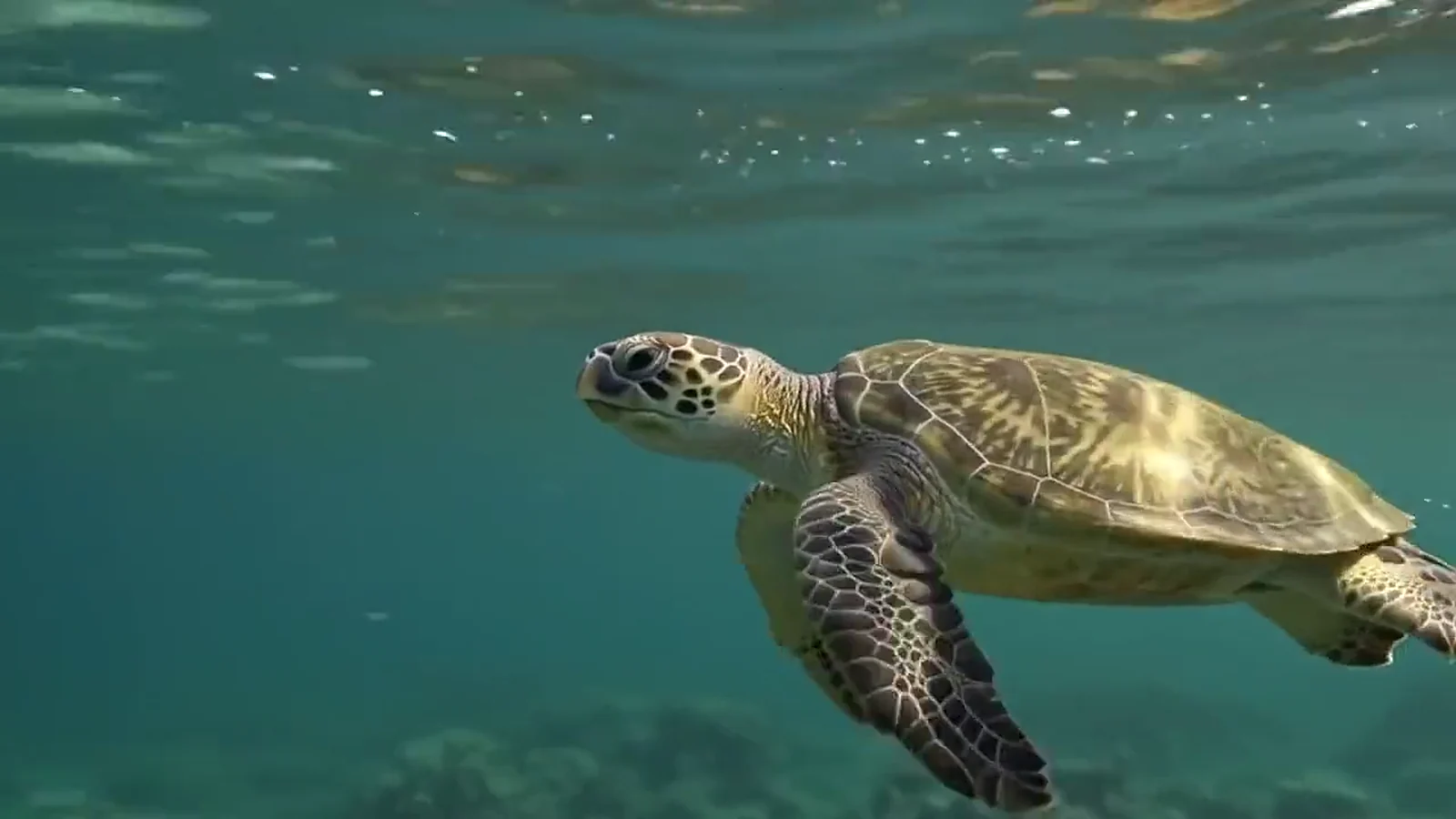
the flagship
Turtle Walk in Chennai
A guided night walk on a nesting beach, December to March. One line, one leader, no white light. You may see nothing.
- Season
- December to MarchOn the Coromandel coast.
- Start time
- Late at nightAfter the beach empties.
- Meeting point
- One per walkNamed on the listing.
- Length
- Several hoursOn your feet throughout.
What a Turtle Walk is
A slow night walk along the tideline, in single file, behind one leader. Nobody carries a light. Everyone stays quiet.
Olive Ridley females nest on this coast from December to March. A disturbed female abandons the nest.
We look for:
- A track
- Flipper marks out of the water.
- A nest
- Disturbed sand above the high-water line.
- The animal
- A nesting female. The rarest.
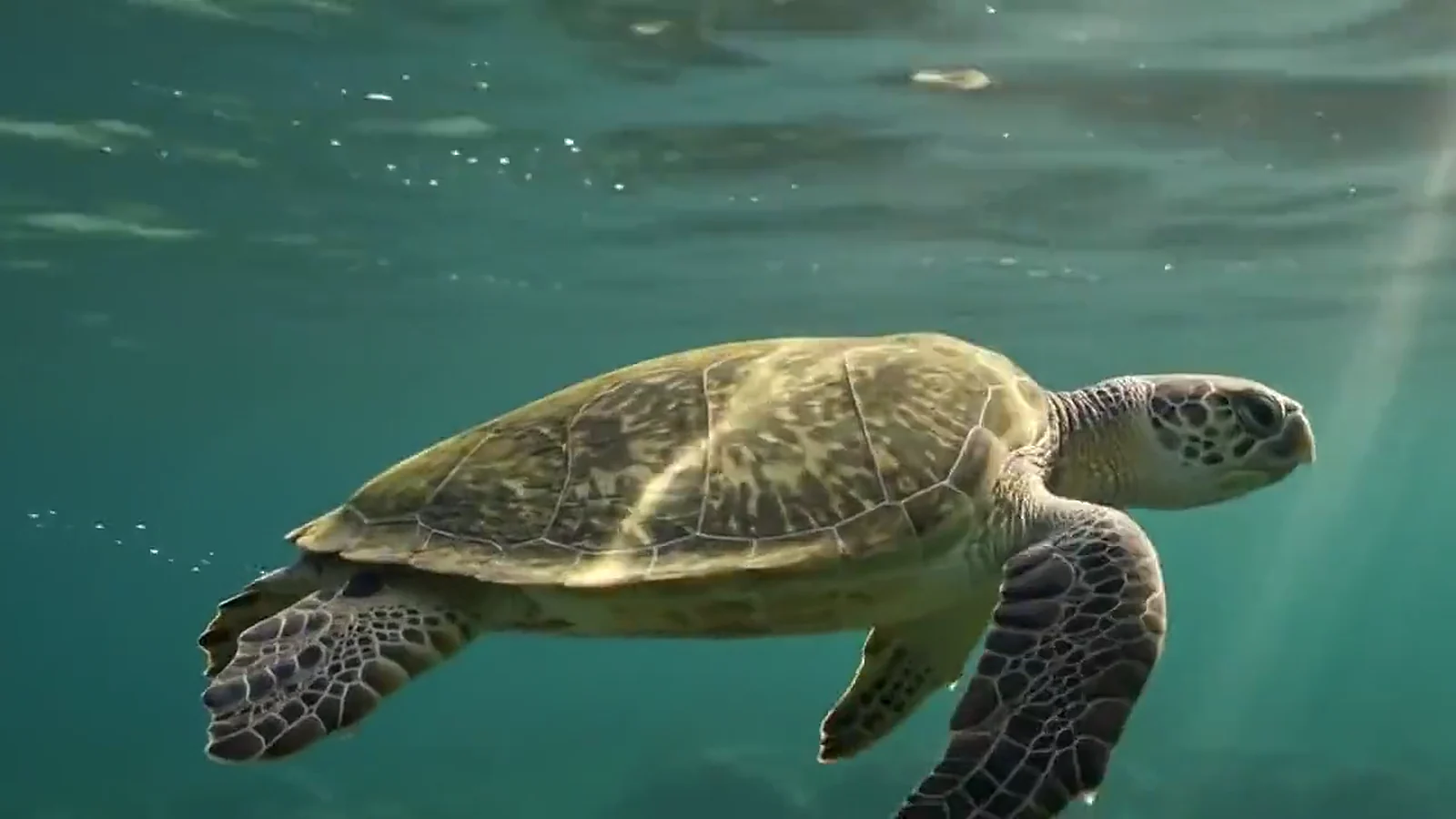
Nothing is staged: no enclosure, no feeding, no handling, no guaranteed sighting.
The animal
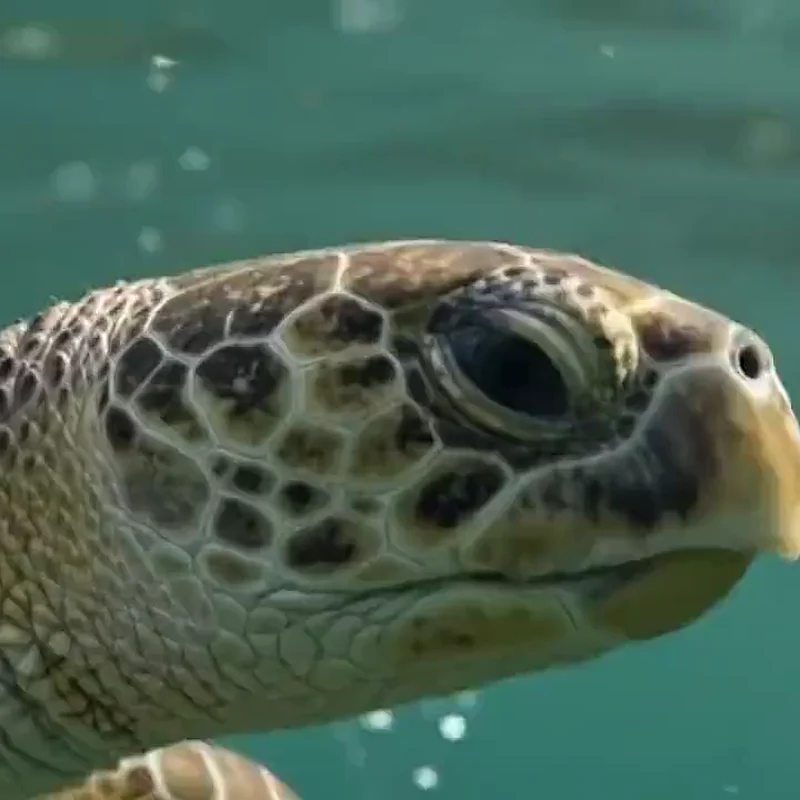
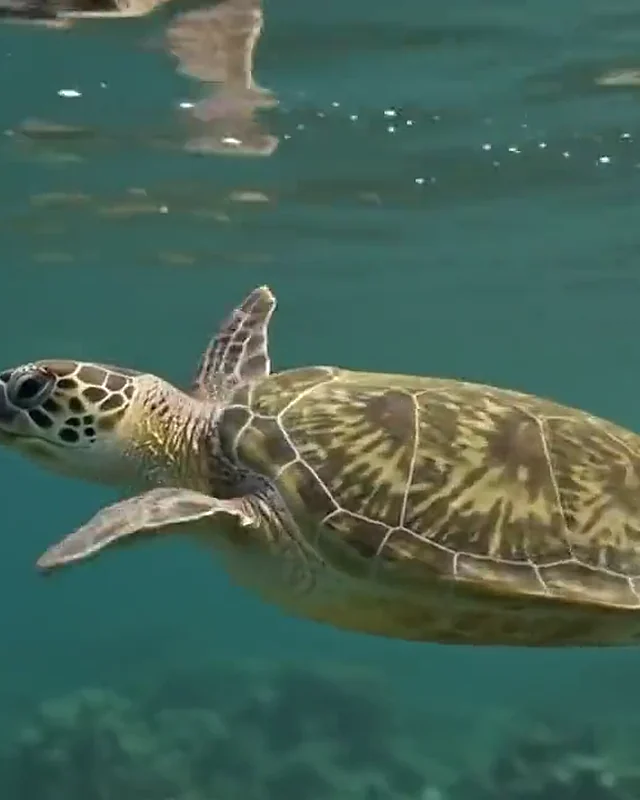
The Olive Ridley, Lepidochelys olivacea.
- Size
- The smallest of them, around 60-70 cm of shell.
- Shell
- Olive-green, and close to heart-shaped from above.
- Status
- IUCN Red List: Vulnerable.
- Law
- Wildlife Protection Act, 1972 - Schedule I.
- Nesting here
- December to March on the Coromandel coast.
- Odds
- Roughly one hatchling in a thousand lives to come back.
More on the Ridley. ID sheet on the learn page.
When we walk
- Season
- December to March, on the Coromandel coast. No walks outside it.
- Nights
- Set walk by walk. Listed on events.
- Start time
- Late at night, after the beach empties. Shown on each listing.
- How long
- Several hours.
- Called off
- For rough sea or lightning.
- Hatchlings
- Booked separately - see hatchling farewell.
Before you come
Eat and sleep beforehand. No alcohol: anyone who has been drinking does not walk.
Where you meet
- Meeting point
- One per walk, named on the listing and registration form.
- Getting there
- Bus, share auto, cab or two-wheeler. No pickup. Last stretch on foot.
- Parking
- On the road only. No vehicles on the beach.
- If you are late
- The group leaves on time and cannot come back for you.
- Toilets
- None on the beach. Go before you arrive.
- Leaving early
- Tell the leader at the start. Never walk off alone.
Why no beach coordinates
Published nest locations lead to stolen eggs, dogs and vehicles. The meeting point is public. Nest sites are not.
What to bring
- Bring
- Water in a reusable bottle, your medication, a bag for your rubbish.
- Wear
- Dark, full-length clothes. Nights are cold and there are mosquitoes.
- On your feet
- Old sandals or bare feet.
- Leave at home
- Torches, flash cameras, drones, speakers, pets, alcohol, single-use plastic.
- Your phone
- Bring it, kept dark and in your pocket.
- Tell the leader
- Any medical condition (asthma, diabetes, pregnancy, night blindness). Or write ahead to cleanbeach@saveaturtle.in.
One light on the beach
Only the leader carries a light: red, low, pointed at the sand. Own a red-filtered torch? Bring it, but keep it off unless asked.
Non-negotiable
The night code
Ten rules. The leader states them once, at the meeting point.
- No white light.No torch, phone light or camera light. White light turns back nesting females and misleads hatchlings.
- No flash.Ever. If your camera needs flash, it stays in the bag.
- Stay behind the leader.Ahead of the leader, you may step on a nest.
- Walk the wet sand.Nests sit above the tideline and are invisible.
- Silence when the hand goes up.No talking, no ringtones. Noise makes a female leave.
- Pick nothing up.No eggs, hatchlings, shells, bones or remains.
- Do not touch the animal.She is protected under the Wildlife Protection Act, 1972 - Schedule I.
- No drones, speakers or smoking.None belong on a nesting beach.
- Stay with the group.To stop, tell the person in front of you first.
- Carry out what you carried in.Bottles, wrappers, tissues, batteries.
Break it and your walk ends
You are walked back to the meeting point. Full rules: our field code.
Age, fitness and access
A long walk on soft sand at night, with no light, seating, shelter or toilet.
You need to be able to
- walk kilometres on soft sand
- move safely in the dark without a torch
- stay quiet and stand still for long stretches
- stay out past midnight and get yourself home
Not suitable for
- wheelchairs and prams
- small children who cannot walk unaided or stay quiet
- anyone who needs light to move safely
- anyone who needs rest stops or regular toilet access
Under 18: a parent or guardian walks too, with a signed consent form. Minimum age is set per walk.
Not sure?
Write to cleanbeach@saveaturtle.in before booking.
If we find a nesting female
- The leader stops the line at a distance. Wait where told.
- No light, no phones, no talking.
- Nobody approaches.Disturbed mid-dig, she can leave without laying.
- Let her return to the sea.Never stand between her and the water.
- The nest is recorded: date, beach, position, sand condition.
- Trained hands and department staff decide what happens to the nest.
- Never post the location.Photos: no landmark, no geotag, no map.
A track alone is still a useful record.
Who runs the beach
With the Tamil Nadu Forest Department.
How to book
- One seat
- One named person, for one listed walk. No season pass.
- Group cap
- Small and fixed per walk. When seats run out, the walk closes. No standby.
- Where walks appear
- On events, and through the registration link in our Instagram bio (@saveaturtle.chennai).
- Cancelling
- Tell us early so the seat goes to someone else.
- Groups
- Schools, colleges and companies: see awareness sessions and collaborate with us.
Questions
Will I see a turtle?
Often, no. Some nights we find a track, a nest or a nesting female. Some nights nothing. Nobody can promise a sighting.
What is the minimum age?
Set per walk. The child must be able to walk kilometres on soft sand in the dark, without a torch, and stay quiet. Under 18 walks with a parent or guardian and a signed consent form.
Can I use my phone?
Carry it, kept dark: minimum brightness, torch, flash and ringer off. The leader decides if any photo is taken near a nesting female.
How far do we walk, and for how long?
Several kilometres, over several hours, on your feet throughout. The leader sets the turn-back point on the night.
What if it rains, or the walk is called off?
Rain alone does not stop a walk. Rough sea and lightning do. We tell you before you leave home where we can, otherwise at the meeting point.
I am coming alone. Is it safe?
You walk in a group behind a leader on a public beach. Come to the meeting point, never onto the sand alone. Tell someone at home when you expect to be back. Any concern: write to cleanbeach@saveaturtle.in.
I found a turtle and I am not on a walk. What now?
Do not move it or put it back in the sea. Keep people and dogs away. Then go to report a turtle.
More: cleanbeach@saveaturtle.in or the questions page.
Other ways to join
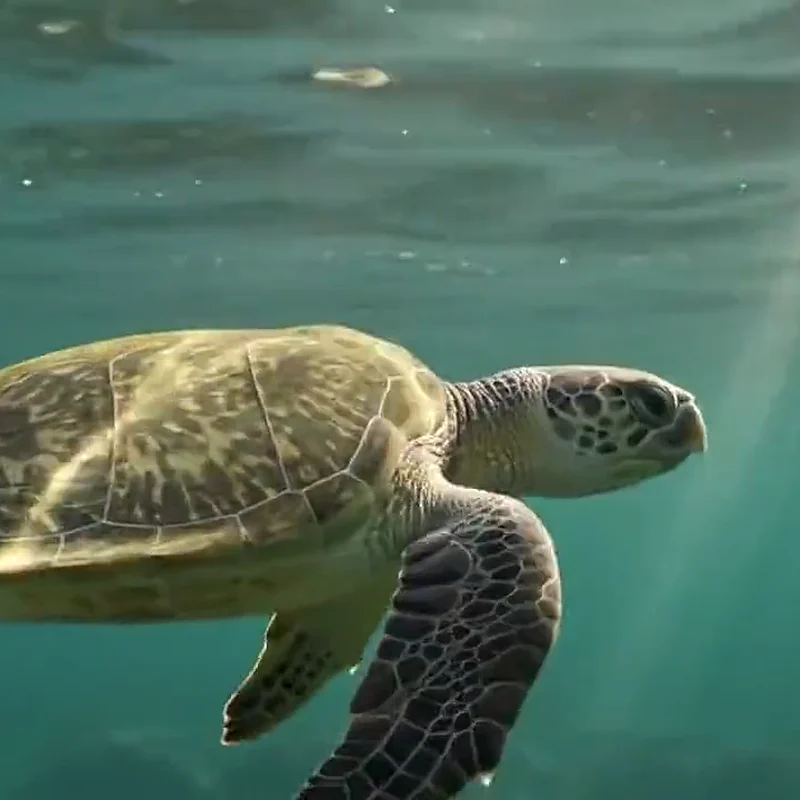
Hatchling Farewell
Watch the hatchlings reach the sea at 5 pm.

International Coastal Cleanup
Monthly sweeps, plus International Coastal Cleanup Day every September.
Sand Sculpting
Turtles in sand, built by teams on the Chennai shore.
Awareness Sessions
Schools, colleges, corporates, fisher communities. We come to you.