

dusk release, family-friendly
Hatchling Farewell
5 pm, February to April, confirmed around noon on the day. Hatchlings crawl to the sea on their own. No one carries them. No lights.
- Time
- 5 pmConfirmed around noon on the day.
- Season
- February to AprilAfter nesting (December to March).
- How long
- Under an hourStanding, in the open.
- Light
- NoneNo torches, no flash.
What a farewell is
Authorised handlers set hatchlings down on open sand above the waterline. Everyone else stands back, leaving a clear corridor to the sea.
The hatchlings crawl several metres and the waves take them. It is quick and quiet.
Before you register
You will not touch or hold one. You stand where you are placed and watch.
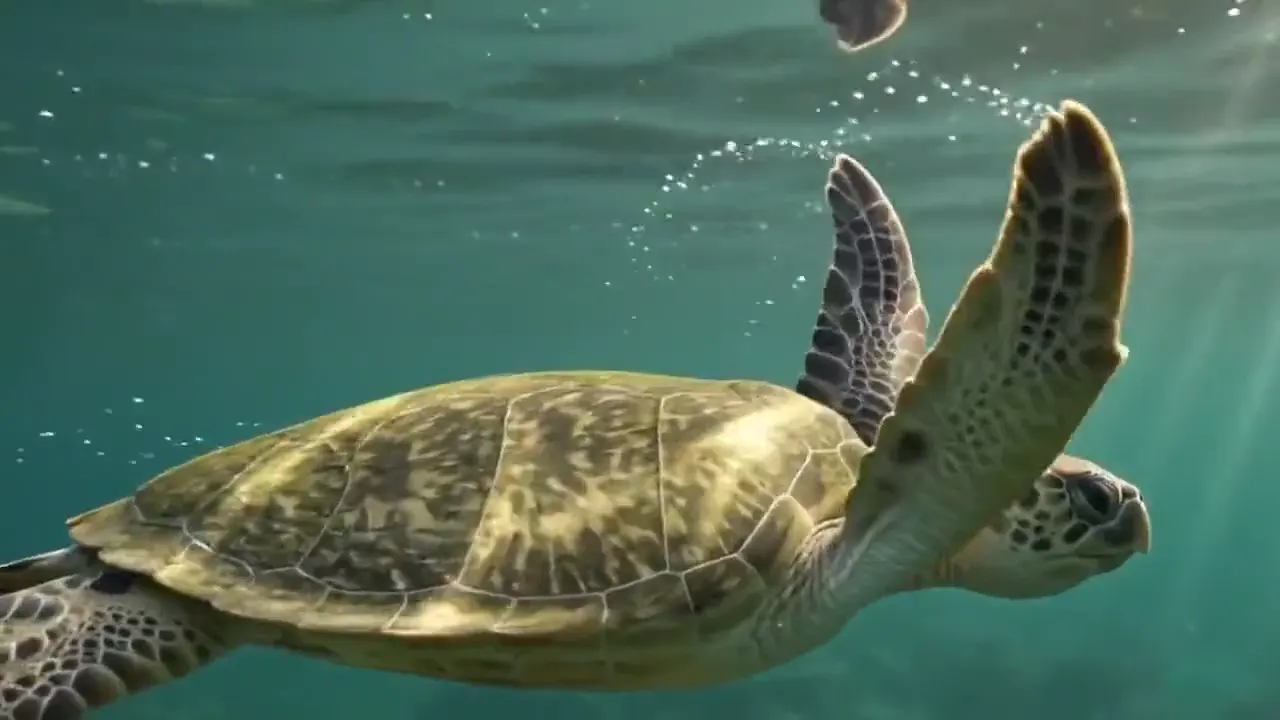
No enclosure, no feeding, no handling, no hatchling held up for a photo.
On the day
- Report time
- Shown on the listing for that release.
- How long
- Under an hour, standing, in the open.
- If you are late
- The release does not wait.
- Meeting point
- One per release, named on the listing and registration form.
- Called off
- For rough sea, weather, or a nest that has not hatched.
- Toilets
- None on the beach. Go before you arrive.
Why they crawl to the water themselves
- It sets direction.Hatchlings head away from the dark land toward the brighter sea. Carried in, they miss this.
- It may imprint the beach.Researchers think the first crawl and swim help females return to this coast to nest.
- It warms them up.They enter the water already moving, ready for a long swim.
- It spreads them out.Released in one group, they are easy prey. Crawling staggers them.
Do not help
Some flip over, head the wrong way or stop. Stay where you are; the release team handles it. Nobody enters the corridor or stands between a hatchling and the water.
Non-negotiable
No torches, no flash
Hatchlings steer toward the brightest light. A torch, screen or headlight draws them up the beach, away from the sea.
- No torch of any kind, including red ones.
- No flash.
- No video, ring or fill light.
- Phones at minimum brightness and in a pocket while hatchlings are on the sand.
- No drones.
- No vehicles on the beach, and no headlights pointed at it.
- The only light is the release team's, if any.
Break a rule and you are walked back to the meeting point. Full rules: our field code.
What to expect
You will see
- A short briefing with the rules.
- Hatchlings set down above the waterline by authorised handlers.
- A crawl of several metres to the water.
- The release being recorded: date, beach, count, condition.
You will not see
- A hatchling in anyone's hands but authorised ones.
- A nest being dug up.
- A staged photo.
- Thousands of hatchlings. A release is one nest.
- A guaranteed date.
Who it suits
Good for
- Children who can stand still, stay quiet and not touch, with a parent or guardian and a signed consent and waiver.
- People who cannot manage a night walk.
- First-timers.
- People who can take a short-notice date.
Not suitable for
- Anyone wanting to hold a hatchling.
- Fixed plans. Dates move.
- Wheelchairs and prams on soft sand.
- Organised groups. Schools and companies: see awareness sessions and collaborate with us.
Not sure? Write to cleanbeach@saveaturtle.in before you register.
How places are allocated
Places are capped to keep the corridor clear. Most requests do not get a place.
- The nest sets the date.Usually at short notice.
- The release is listed.On events, and via the registration link in our Instagram bio (@saveaturtle.chennai).
- A cap applies.Set by the beach and the number of hatchlings.
- One place, one named person.Children and guardians each need a place.
- Only a confirmation is a place.Without one, you cannot join on the day.
- Places cannot be transferred or sold.Cannot come? Tell us early. Anyone selling a place is not us.
- Full means full.No overbooking, no standby.
- Season
- February to April, after nesting (December to March).
- Missed out
- Join a coastal cleanup. They run every month.
Questions
Can I hold one?
No. The Olive Ridley is protected under the Wildlife Protection Act, 1972 - Schedule I. Only authorised people handle them.
Can I bring my child?
Yes. It is short, at 5 pm, with little walking. A parent or guardian stays throughout and signs the consent and waiver. The child must stand still, stay quiet and not touch.
Why can the date change at the last minute?
The nest decides when hatchlings emerge. Any date can move by a day or be called off.
Can I take photographs?
Yes, from where you stand, with no flash or light of any kind. Do not enter the corridor. Post without a geotag or landmark.
How many hatchlings will there be?
Unknown until the day. It depends on the nest. A handful is normal.
Why 5 pm?
Midday sand kills hatchlings, and bright light exposes them to predators. The exact time is set for each release.
Will they come back to this beach?
About one in a thousand survives to adulthood. Researchers think the first crawl and swim help females find their way back to nest, years later.
I have found hatchlings walking the wrong way.
Do not pick them up or carry them to the water. Switch off nearby lights, keep dogs and people back, then go to report a turtle.
More: cleanbeach@saveaturtle.in or the questions page.
Other ways to join
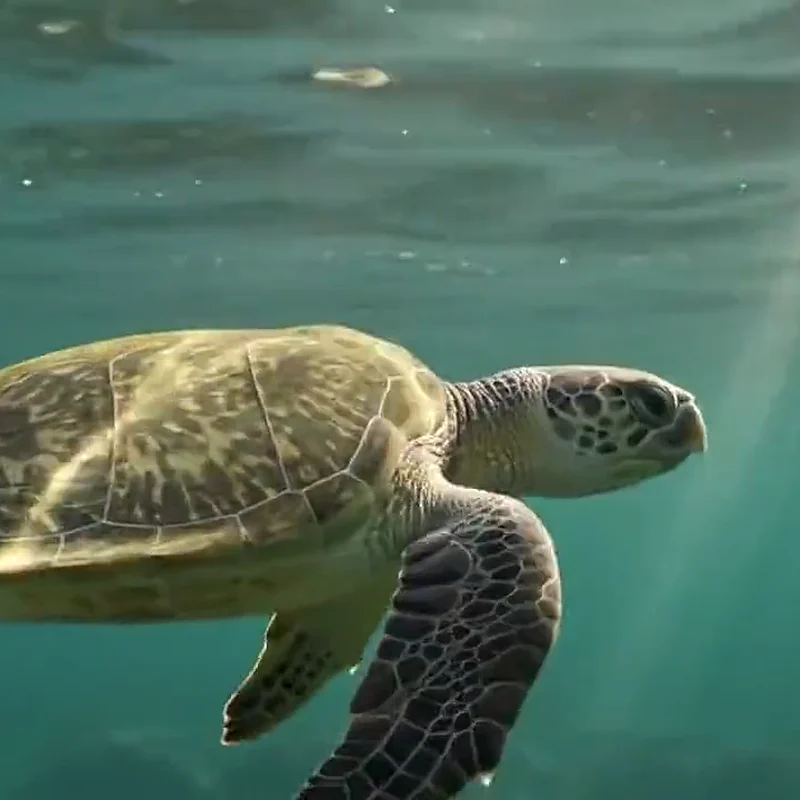
Turtle Walk
Guided night walks on nesting beaches, December to March.
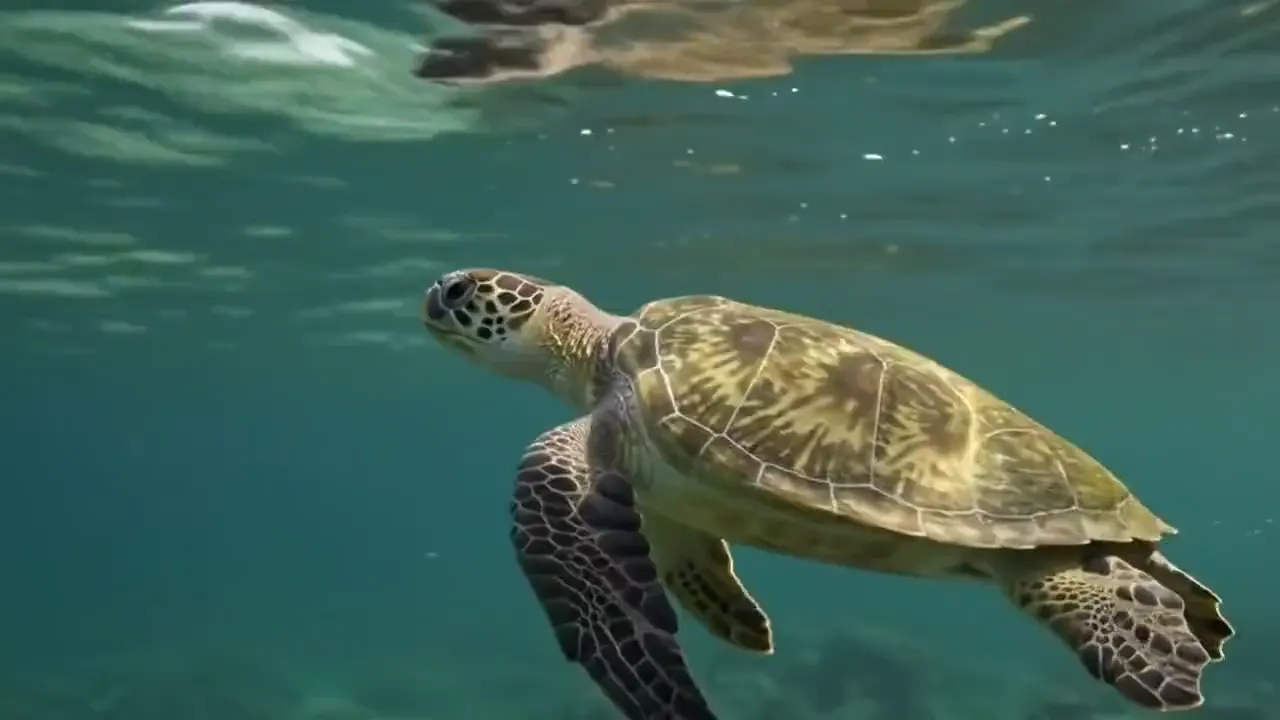
International Coastal Cleanup
Monthly sweeps, plus International Coastal Cleanup Day every September.
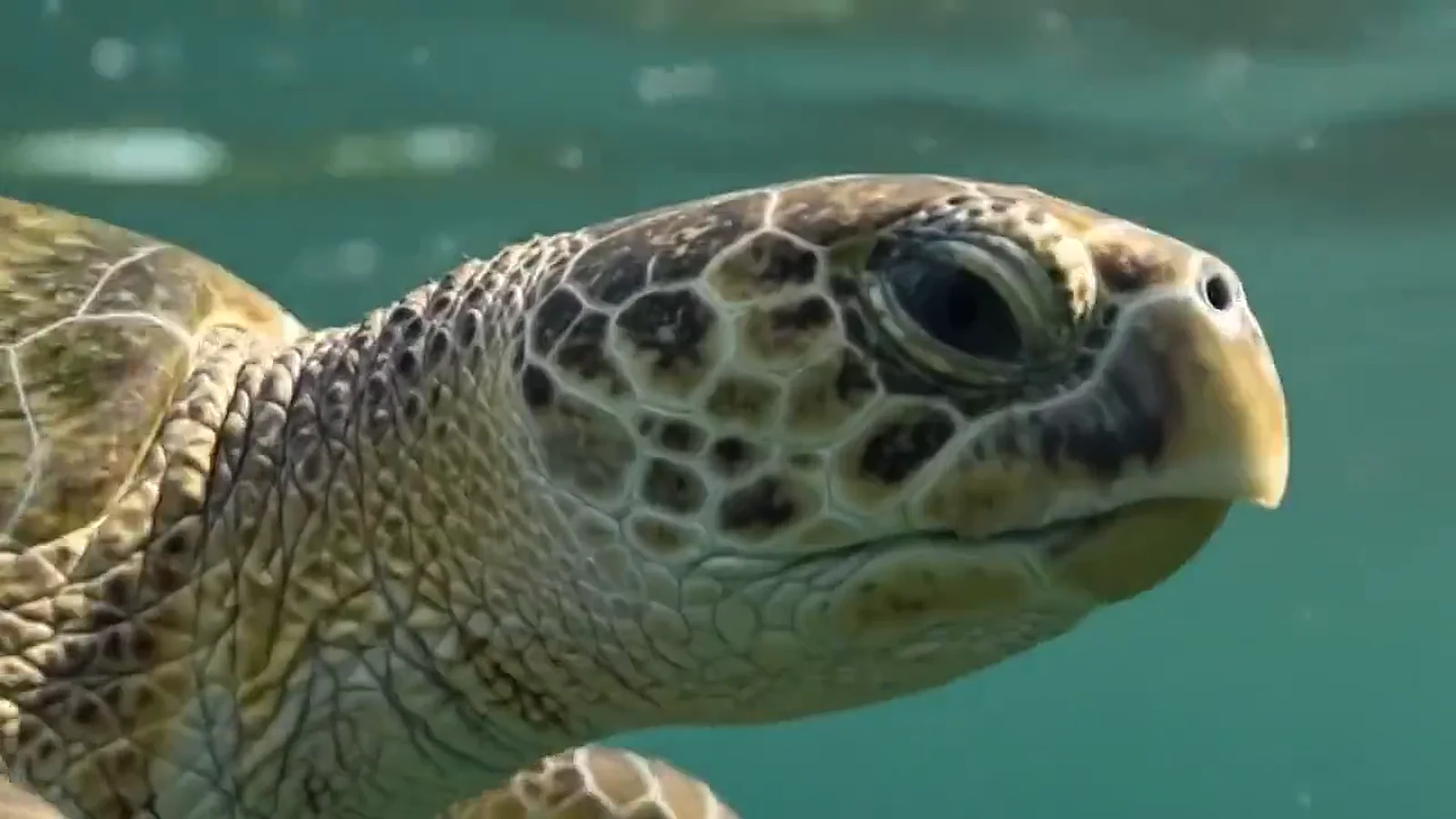
Sand Sculpting
Turtles in sand, built by teams on the Chennai shore.

Awareness Sessions
Schools, colleges, corporates, fisher communities. We come to you.
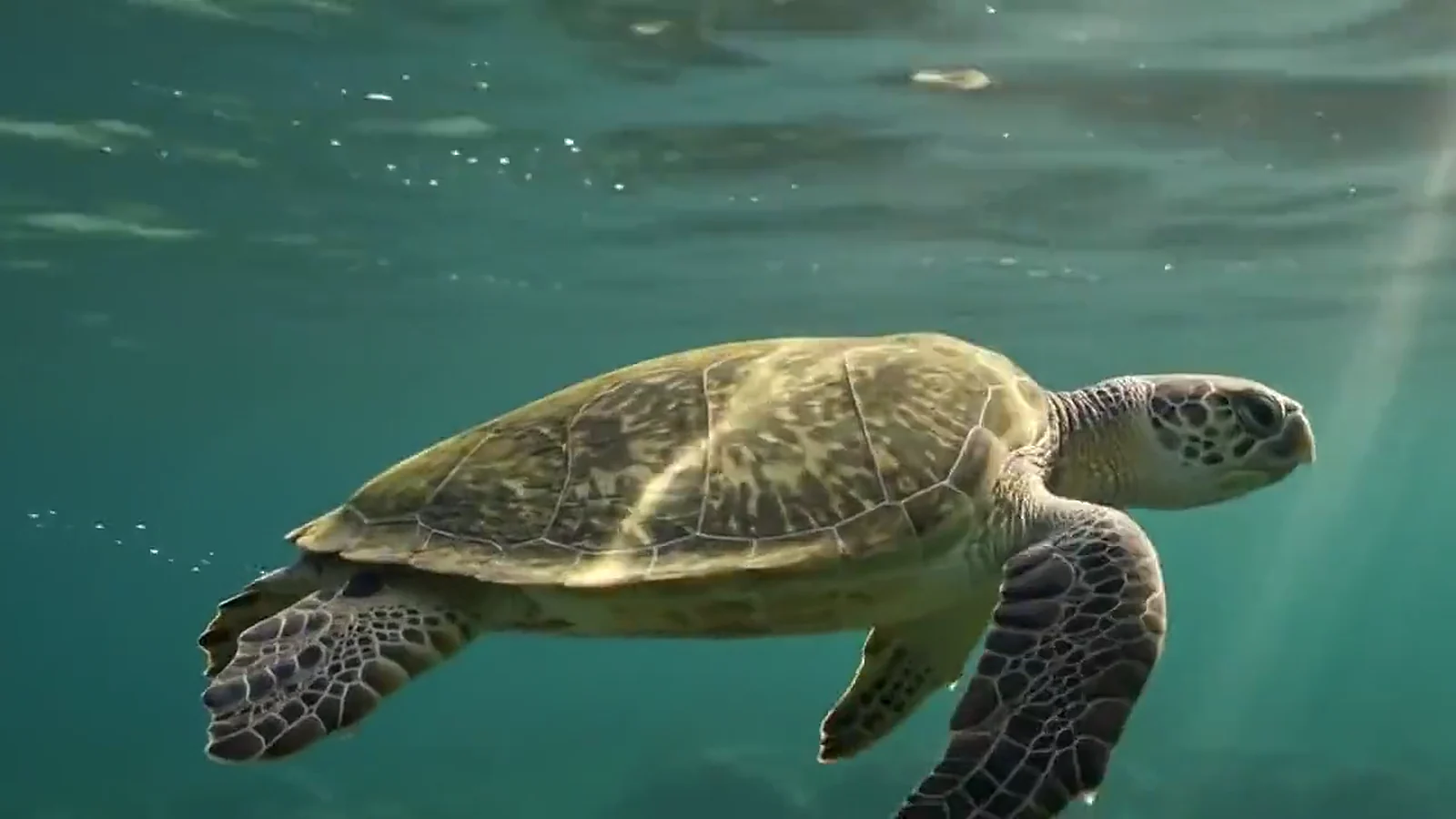
dusk release, family-friendly
Request a place at a release
Places are few. Registering is a request, not a confirmed place.