
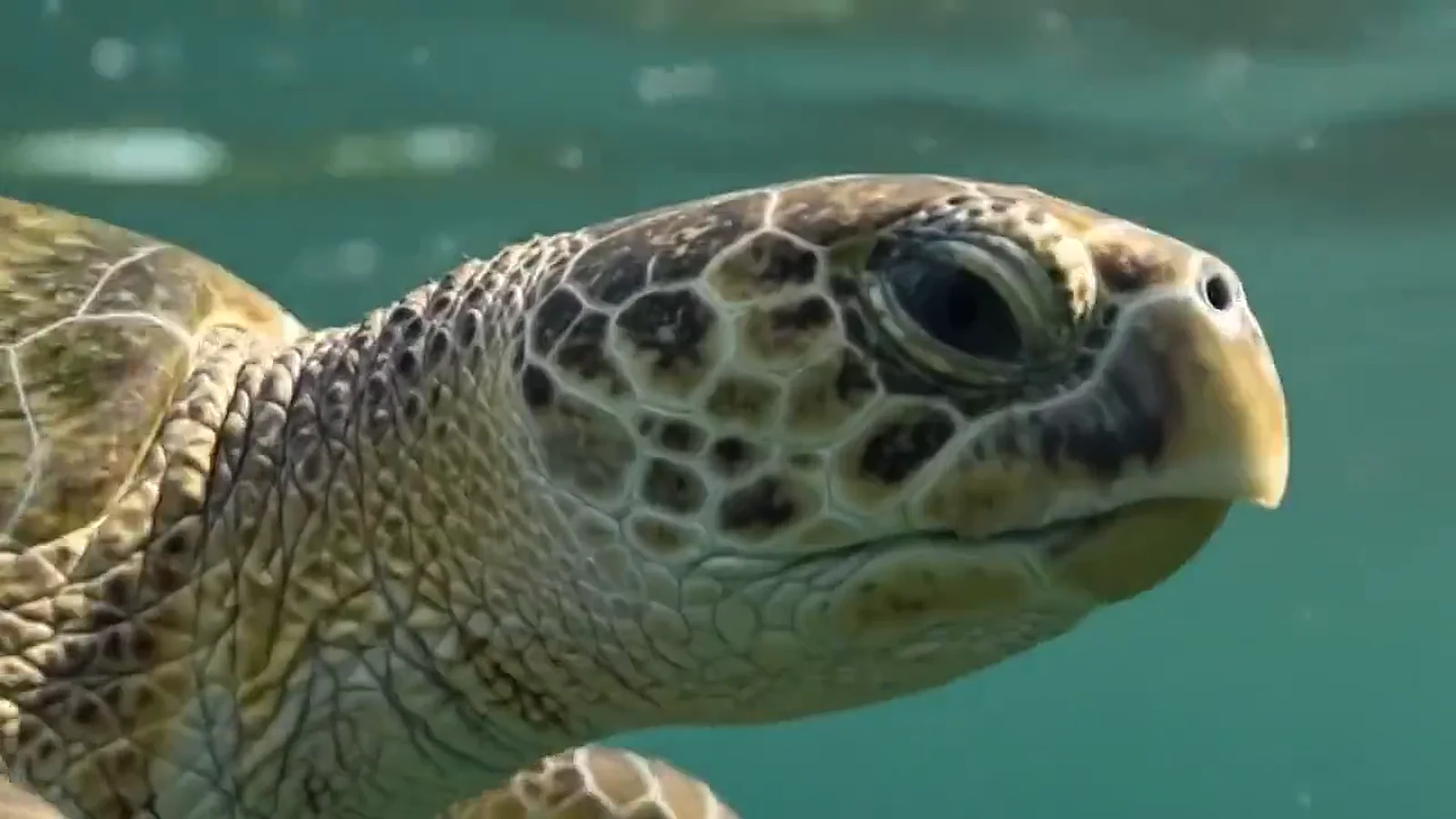
Species
The Olive Ridley
Lepidochelys olivacea. Small, olive-green, legally protected, and nesting on the Coromandel coast from December to March.
- Size
- 60-70 cmShell length, adult.
- Shell
- Olive-greenClose to heart-shaped from above.
- IUCN Red List
- VulnerableA worldwide assessment.
- Indian law
- Schedule IWildlife Protection Act, 1972.
- Nesting here
- December to MarchOn the Coromandel coast, at night.
Identification
How to identify one
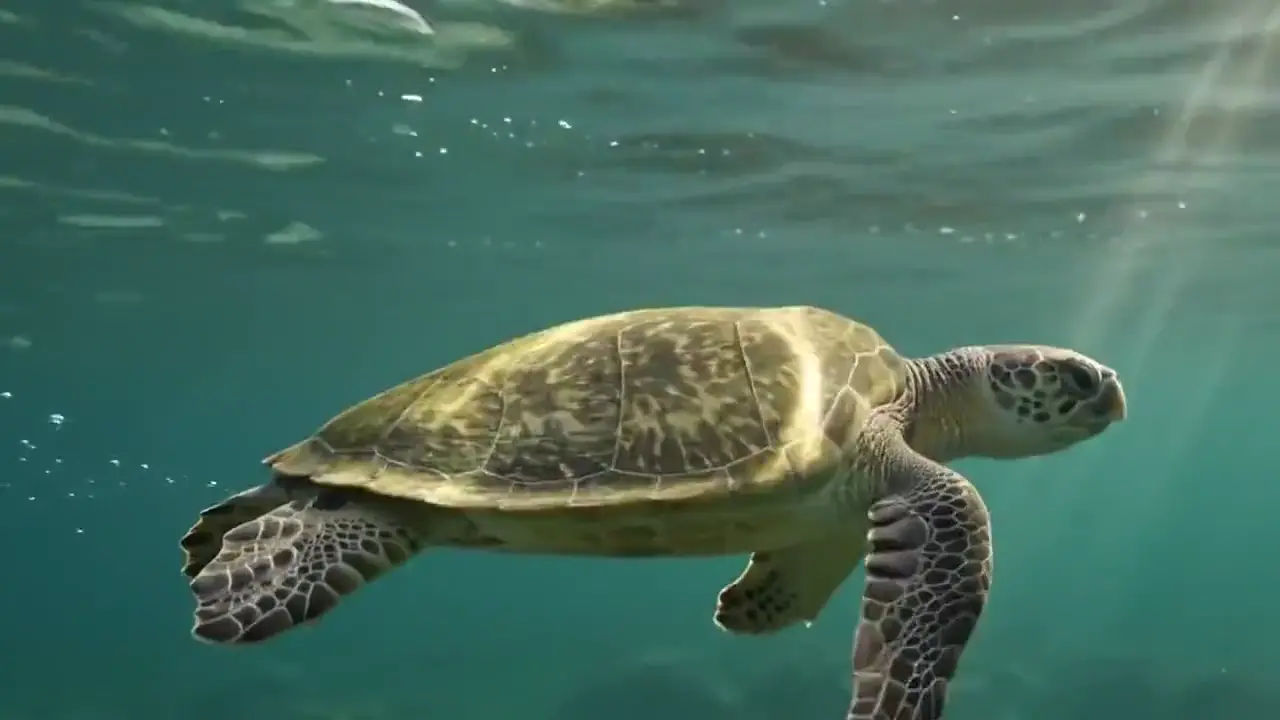
It lives almost entirely at sea. Females come ashore only to lay, at night, from December to March, including on beaches in Chennai.
Learn the outline and the track first. Every mark below can be called in the dark, with no light.
- Outline
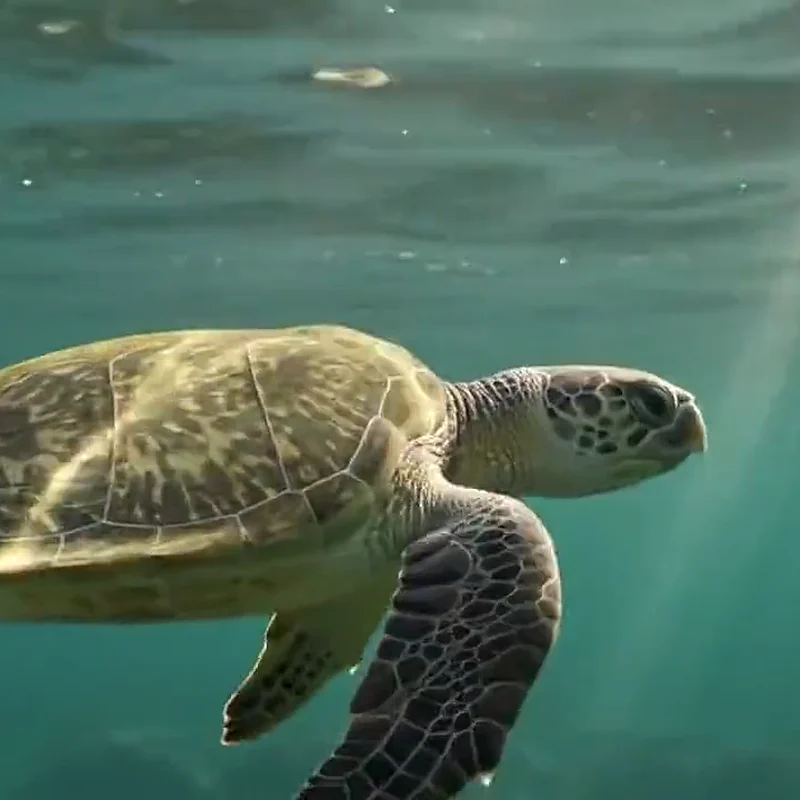
Heart-shaped from above, point at the tail. The fastest mark.
- Colour
Olive-green on top, paler underneath. Wet, at night, it can look grey or black, so do not judge by colour alone.
- Size
About 60 to 70 cm of shell on an adult, well under 50 kg.
- Side plates
More than five plates down each side, often a different count left and right. That is normal.
- Flippers
Two claws on each front flipper. A wide, blunt head.
- The track
The front flippers move one at a time, so the track is staggered, not two matched arcs. A track counts even when the turtle has gone.
A usable record
A photo of a track and its body pit, taken without walking on them, is a usable record.
At sea
The rest of the year
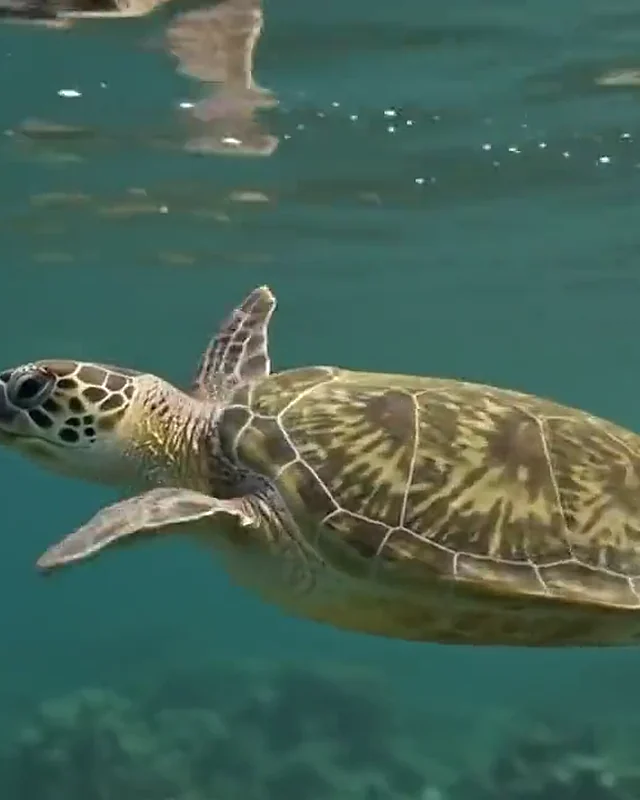
- Where it lives
- Open water and the shallow shelf. It travels long distances between feeding areas and nesting beaches, so nets far away can still catch turtles that nest here.
- What it eats
- Crabs, prawns, molluscs, jellyfish and some algae, on the bottom and in open water. That is why it ends up in shrimp nets.
- Breathing
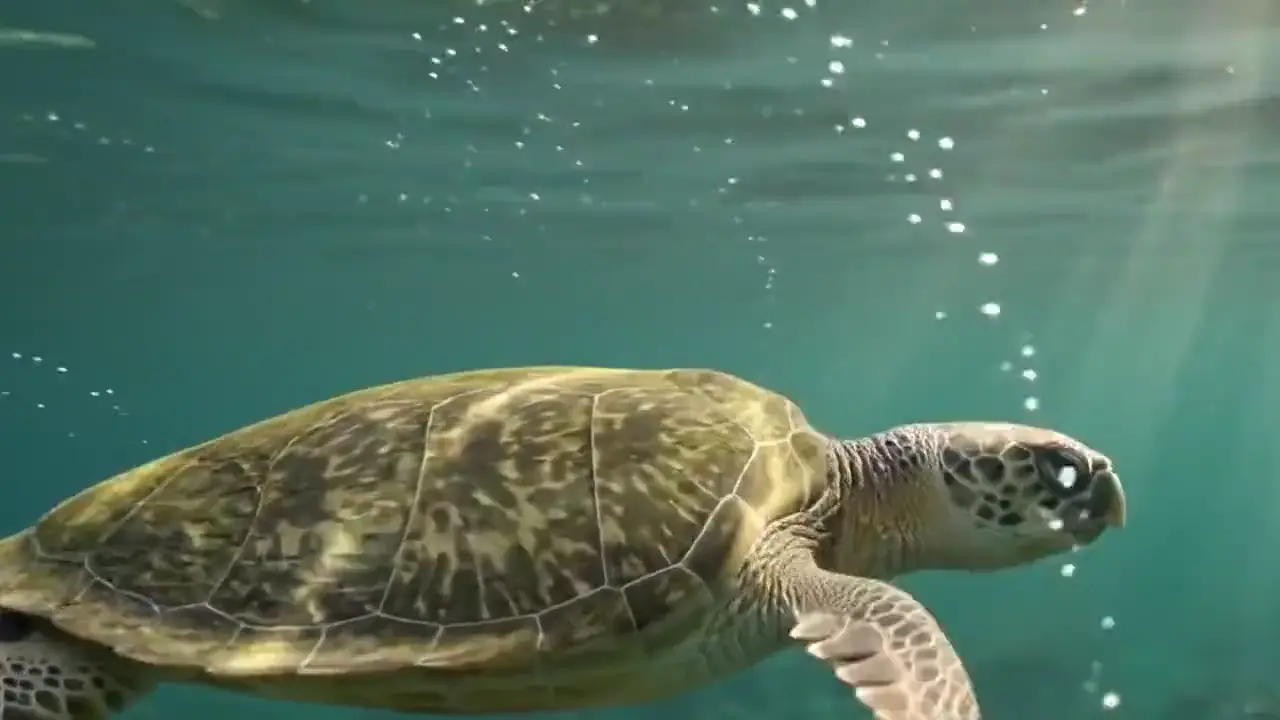
- Air, at the surface. A net it cannot leave drowns it.
- Time to adult
- Well over a decade. Published estimates vary.
- Lifespan
- Not reliably established.
- Sex of a clutch
- Set by sand temperature during incubation. Warmer sand, more females.
- Tracking
- We do not tag or track turtles. We log what comes ashore in front of us.
Adults are lost at sea but counted on the sand, so a busy season can hide a falling population.
Why this coast
The Coromandel coast
The Coromandel coast is a long, east-facing sand shore on the Bay of Bengal, past ports, fishing villages and Chennai. Females nest along it from December, on no fixed beach or date.
Dry sand above the tide is everything.
Nests need it. Seawalls, groynes and buildings remove it first.
The sea is east, the city is west.
Hatchlings head for the brightest horizon, and here that is often the city. Lighting is the biggest fixable problem on this coast.
It is a working coast.
Boats launch from these beaches and the city uses them daily. Our rules are in the field code.
What does not happen here
The arribada, or mass nesting, happens on the Odisha coast. Here, turtles come up alone. There is no night with a thousand turtles on a Chennai beach.
On the sand
A nesting night
It takes about an hour. You watch; you do not touch.
- She comes up after darkNesting here happens at night, one female at a time, spread along the shore.
- Past the wet sandShe crawls above the high-tide line onto dry sand and clears a body pit. No dry sand, no nest.
- The chamberHer back flippers dig a flask-shaped chamber up to about half a metre deep.
- The clutchAbout a hundred soft-shelled eggs, laid over several minutes. She nests more than once a season.
- Cover, then confuseShe fills the chamber, packs it, then scatters sand widely to hide the spot.
- Back inUsually under an hour ashore. She does not return to the nest.
- IncubationAbout 45 to 60 days. Sand temperature sets the timing and the sex of the clutch: warmer sand, more females.
- EmergenceHatchlings dig out together at night or before first light and run for the brightest low horizon. The run matters, so nobody carries them to the water.
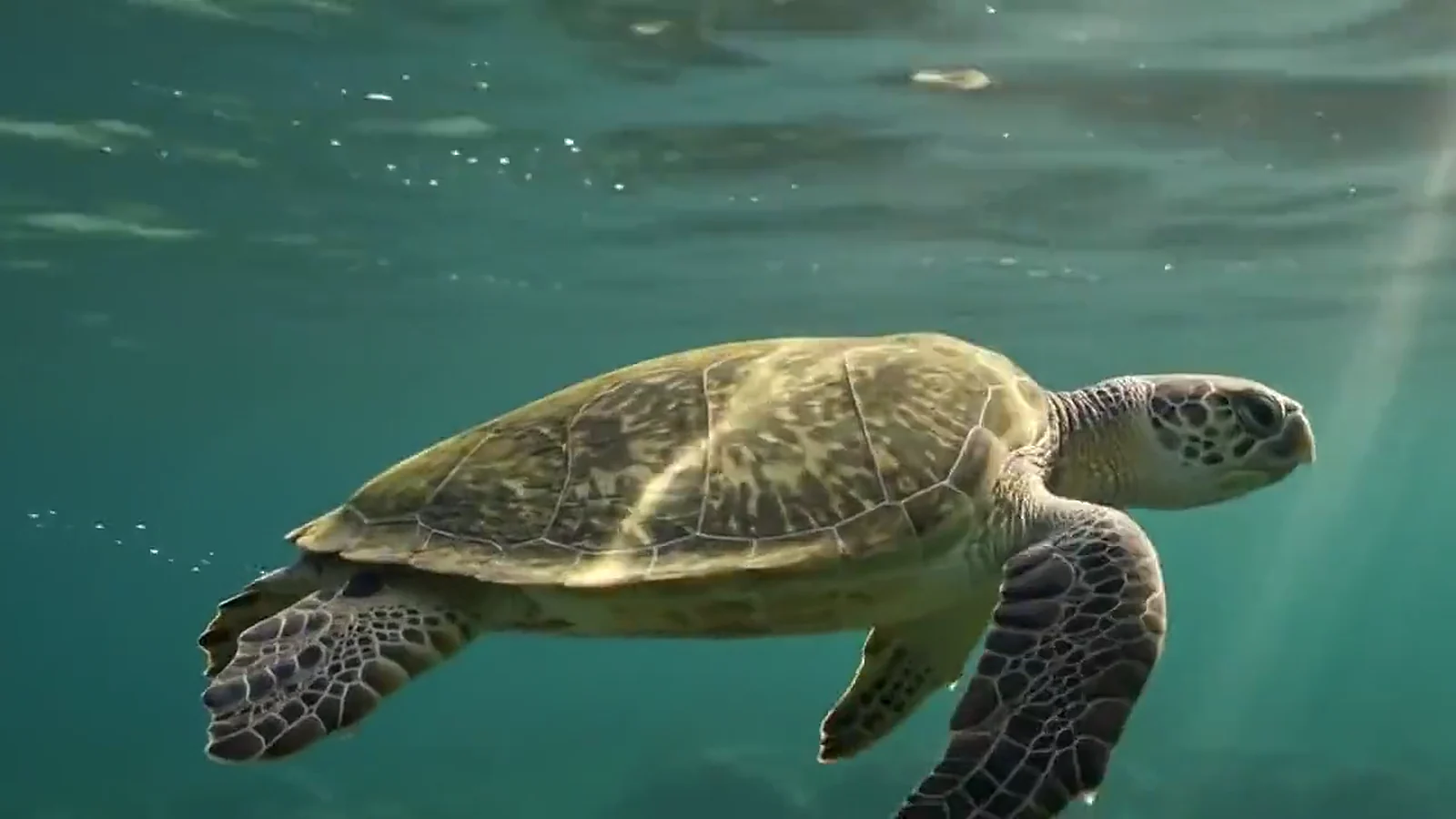
Roughly one hatchling in a thousand survives to come back and lay.
Threats
What they are up against
The six threats below are all human, and all on this coast. An adult female takes well over a decade to mature; losing one in a net matters more than losing a clutch.
- Trawl-net bycatch
A turtle breathes air. Held under in a net, it drowns. Trawlers working close inshore in the nesting season kill adults at scale.
- Ghost gear
Lost nets, line and rope keep catching. Flippers tangle and cannot pull loose. Ghost gear washes up on the nesting beaches.
- Beachfront lighting
Hatchlings walk toward the brightest low horizon. On a dark beach that is the sea. Next to a lit wall, lawn or phone torch, it is the road.
- Plastic
Drifting bags look like food. Line and straps tangle. Fragments block the gut.
- Vehicles and hardening
Tyre ruts trap hatchlings. Packed sand is hard to dig. Seawalls, groynes and buildings remove the dry sand above the tide, the only place a nest survives.
- Nest predation
Dogs, crows and ghost crabs dig up unguarded nests. People still take eggs. A marked, watched nest is far safer.
What helps
- Point beachfront lights down, shield them, or switch them off from December to April.
- No white light or flash on the beach at night in season, including phone torches.
- Report, do not handle. Turtles, nests, tracks and dead animals all go through report a turtle.
- Take your plastic off the sand, or join a cleanup.
- Keep vehicles off the sand and dogs on a lead.
- If you fish, ask about gear that lets turtles escape nets. We run sessions with fishing communities on this.
Legal status
Law and listing
- Global listing
- IUCN Red List: Vulnerable. A worldwide assessment, not a count for this coast.
- India
- Wildlife Protection Act, 1972, Schedule I. The highest level of protection, the same schedule as the tiger.
- What that forbids
- Catching, keeping, killing, buying, selling or possessing the animal, a dead one, its eggs or any part, including a piece of shell.
- Who handles animals
- Not the public, and not us alone. With the Tamil Nadu Forest Department. Handling, relocation and hatchery work happen under Forest Department authority.
- What you can do
- Watch, record, report and stay back.
Next
Join us on the sand
The season runs December to March. The work happens at night.
Turtle Walk
Guided night walks on nesting beaches, December to March.
Hatchling Farewell
Watch the hatchlings reach the sea at 5 pm.
Awareness Sessions
Schools, colleges, corporates, fisher communities. We come to you.
Questions
Common questions
What is an Olive Ridley?
Why is it called an Olive Ridley?
How big does an Olive Ridley get?
What do Olive Ridleys eat?
How long does an Olive Ridley live, and how long does it take to become an adult?
Is the Olive Ridley endangered?
Do Olive Ridleys nest in Chennai?
Is the arribada mass nesting something you can see in Chennai?
Can I touch, move or keep an Olive Ridley, its eggs or its shell?
Why does beachfront lighting matter so much?
I found a turtle, a nest or a dead turtle on the beach. What now?
When to come
The nesting calendar, month by month
Nesting December to March. Hatchlings follow about 45 to 60 days later.