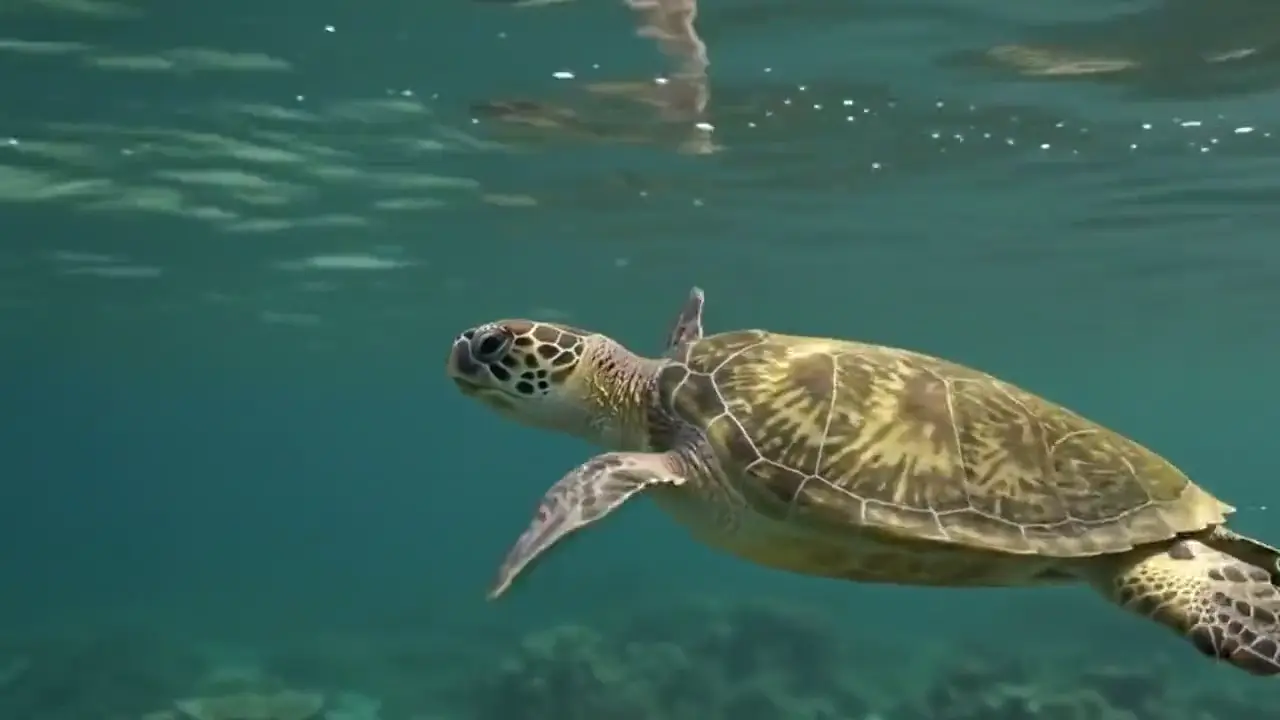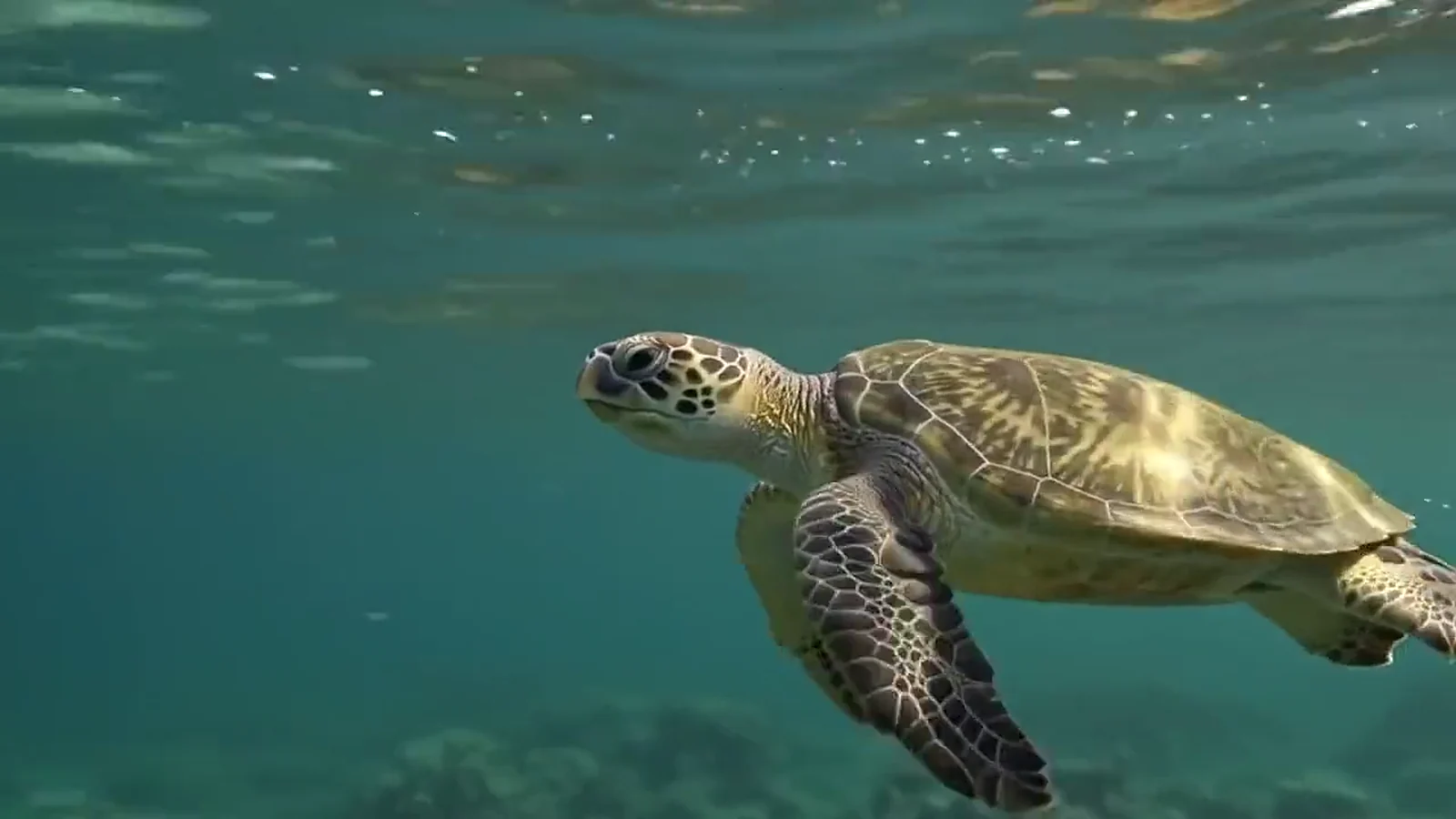
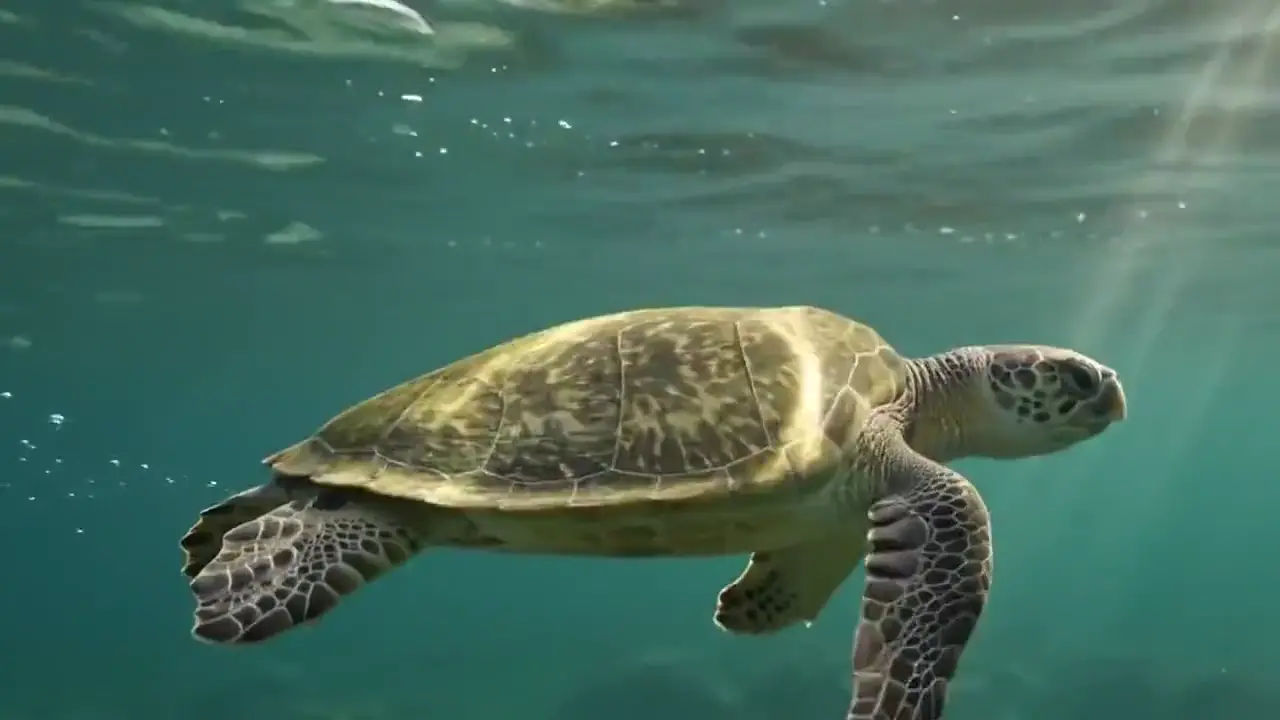
Plastic threatens the Olive Ridley. On the Coromandel coast, in the nesting season, lighting comes first.
The problem
Hatchlings emerge at night and walk toward the brightest, lowest part of the horizon. Naturally, that is moonlight and starlight on the water.
One security light on the seaward side of a building changes that. The brightest point becomes the wall, and the hatchlings walk inland. Most do not make it back.
The species is listed as IUCN Red List: Vulnerable. One row of unshielded floodlights on a nesting beach can turn a good year into a bad one in a single night.
Why we start there
- It is quick to fix. A shielded downlight, a timer or a curtain. No policy change needed.
- Nobody loses. Residents keep their security; hatchlings keep the horizon.
- The evidence is clear. A photo of a hatchling that walked into a wall changes minds at a residents' association meeting.
What we ask
We do not ask anyone to switch lights off. We ask for three things:
- Move the light off the seaward wall, or shield it downward.
- Put it on a timer, off from 10 PM to 5 AM in season.
- Use a warm colour. Amber does not disorient hatchlings; white does.
Plastic is on our list. It is not first.